

Fact: When you type a sentence and watch a computer finish it, you are not witnessing magic; you are witnessing a math problem being solved in milliseconds. It feels like sci-fi, but it is simply probability in action.
Many beginners use these apps daily but don’t actually understand how ai writing tools work under the hood. They trust the output blindly without knowing the logic behind it. This lack of understanding often leads to poor results and frustration.
In this guide, we will provide a simple, jargon-free explanation of the technology. We will explore generative ai, why it matters for your business, and which tools like Jasper use this tech best. Ready to look behind the curtain? Let’s break down the logic simply.
A Simple Explanation of How AI Writing Tools Work
At their core, these tools are just advanced guessing machines. To understand how ai writing tools work, you have to stop thinking of them as “smart” and start thinking of them as “predictive.” They are designed to predict the next most likely word in a sentence.
Think of the autocomplete feature on your phone. When you type “Good,” it suggests “Morning.” AI writing is essentially that same concept, but on steroids. It doesn’t just look at the last word; it looks at the entire paragraph to guess what comes next.
The “Training Data” Behind the Brain
So, how does it know what to guess? The software has “read” billions of articles, books, and websites. This massive library is called training data. By analyzing this vast database, the AI learns the patterns of human language.
It learns that “umbrella” often follows “rain,” and that “sincerely” usually ends an email. It isn’t memorizing facts like a student; it is mapping relationships between words. This is why ai content usually flows well but might sometimes lack deep logic.
The Brain: Large Language Models (LLMs)
You will often hear the term “Large Language Models” or LLMs. In 6th-grade terms, an LLM is a digital library that understands how words relate to each other. It is the engine that powers tools such as chatgpt.
When you use an ai tool, you are accessing this model. It pulls from its training to construct sentences that sound human. It is a machine learning models trained to mimic our speech patterns, which is why the result feels so natural.
The User’s Role: The Prompt
However, the engine can’t start without a key. In this case, the key is your prompt. The tool needs your specific instruction to start the prediction process.
If you give a vague prompt, the ai has to guess too much, leading to generic results. If you are specific, you narrow down the possibilities. Understanding this relationship is the secret to mastering how ai writing tools work.
Tokens vs. Words: How AI Actually “Reads”
Most people assume that ai writing tools read words exactly like we do. But to truly grasp how ai writing tools work, you need to understand “tokens.” An ai tool breaks text down into chunks of characters called tokens, not whole words.
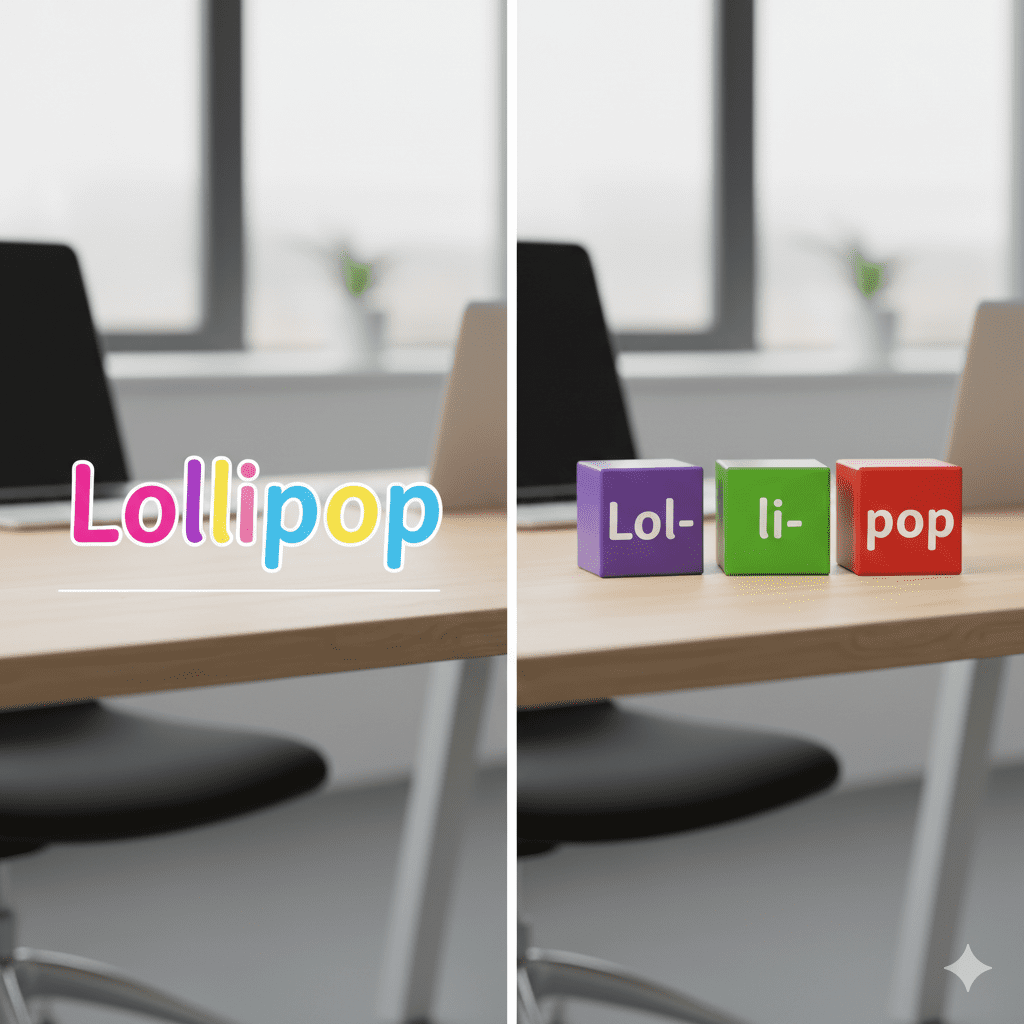
For example, the word “hamburger” might be one token, but “pear” might be part of another. This chunking method allows the computer to process language much faster. It sees numbers and code representing parts of words rather than the letters A-B-C.
Why Math and Spelling Fail
Have you ever seen an ai tool struggle with a simple math problem or spell a word backwards? This happens because it sees the token ID, not the individual letters. It predicts the answer based on patterns, not calculation.
When you ask chatgpt to spell “lollipop” in reverse, it often fails. This is a quirk of the token system. It is guessing the next token based on probability, which works great for sentences but poorly for precise character manipulation.
The Cost of Tokens
Understanding tokens is also crucial for your budget. Most paid generative ai services charge by the token, which is roughly 0.75 words. If you write a 1,000-word article, you are actually paying for about 1,333 tokens.
Knowing this helps you estimate costs. If you are generating massive amounts of ai content, those extra tokens add up. It is a hidden cost that surprises many business owners who don’t know the tech.
Why Understanding How AI Writing Tools Work Matters in 2026
You might think, “I just want to write; why do I need to know the engine?” Because knowing how ai writing tools work changes how you use them. It turns you from a passive user into a power user.
Better Prompts for Better Results
When you know the ai is just guessing based on your input, you write better instructions. You stop asking vague questions and start giving specific context. A better prompt leads to a smarter prediction.
If you understand the logic, you can guide the ai writing process. You realize that the tool needs a clear direction to avoid getting lost in its own training data. This simple shift improves your output instantly.
Avoiding “Hallucinations”
One of the biggest risks of using ai tools is “hallucination.” This is when the ai tool confidently makes up a fact. Because it prioritizes smooth sentences over truth, it will lie to you if the sentence structure flows well.
If you know how ai writing tools work, you know to never trust them blindly. You become a rigorous fact-checker. You understand that the ai is predicting what sounds true, not necessarily what is true.

Gaining a Competitive Edge
Finally, businesses that understand the tool’s logic can scale content 10x faster. They don’t waste time fixing bad drafts. They use the ai for what it is good at—speed and structure—and handle the nuance themselves.
In 2026, this knowledge is a superpower. It allows you to produce high-quality work while your competitors are still struggling with generic ai-generated text. It is the difference between guessing and mastering the machine.
Key Features That Power How AI Writing Tools Work
Now that we know the basics, let’s look at the specific features that make these apps tick. Understanding these terms will help you choose the right ai tool for your business. It is not just about generating text; it is about control.
Natural Language Processing (NLP)
This is the fancy term for how computers understand us. Natural Language Processing is the feature that allows the software to interpret your questions like a human would, rather than like a calculator.
Without NLP, you would have to write code to get an answer. With NLP, you can simply type, “Write a funny tweet about coffee,” and the ai tool understands the intent, the humor, and the context. It is the bridge between your brain and the machine’s logic.
The Context Window (Short-Term Memory)
Have you ever had a long conversation with a chatbot, and it suddenly forgot what you said five minutes ago? That is because it ran out of “context window.” Think of this as the ai tool’s short-term memory.
The context window measures how much information (in tokens) the AI can hold at one time. A small window means it forgets quickly. A large window means it can read a whole book and answer questions about the first chapter. Tools like Claude and Gemini are famous for having massive context windows.
Tone Matching and Style Analysis
One of the coolest ways how ai writing tools work is through tone matching. The algorithms analyze your word choice, sentence length, and punctuation to mimic a specific style.
If you want to sound professional, the ai chooses longer words and formal grammar. If you want to be funny, it uses short, punchy sentences. Some advanced tools even let you upload your own writing so the ai model can learn to sound exactly like you.
Plagiarism Checkers and Safety
Since generative ai predicts words based on patterns, there is a small risk it could accidentally reproduce a sentence that already exists. This is why the best tools have built-in plagiarism checkers.
These checkers scan the output against billions of web pages to ensure the text is unique. It is a safety net. It ensures that the content creation process is safe and that you aren’t accidentally stealing someone else’s work.
Fine-Tuning (Specialized Knowledge)
Finally, we have fine-tuning. A general model like GPT-4 knows a little bit about everything. But a fine-tuned model has been trained on a specific topic, like medical records or legal documents.
Think of it like sending a general doctor to become a heart surgeon. Fine-tuning adjusts the algorithm to be an expert in one field. This is why a specialized AI writing assistant often beats a general chatbot for niche business tasks.
Types of AI Writing Technologies
To fully grasp how ai writing tools work, you must recognize that “AI” isn’t just one thing. It is a broad term covering several different technologies. Some tools build new worlds, while others just tidy up the one you already made.
Most beginners confuse these types, leading to frustration. If you use a summarizer when you needed a creative writer, you will get bad results. Let’s break down the four main categories you will encounter in 2026.
Generative AI (Creation)
This is the rockstar of the industry. Generative AI is designed to create brand new text from scratch. When you ask chatgpt to write a poem about a robot, it is using generative technology.
It predicts the next word in a sequence to build sentences that have never existed before. This is the most common example of how ai writing tools work today. It is best for drafting blog posts, emails, or stories where you need raw creativity.
Extractive AI (Summarization)
Unlike generative models, Extractive AI doesn’t write new sentences. Instead, it pulls key points directly from a source document. It highlights the most important sentences and presents them to you as a summary.
Think of it like a student using a highlighter. It identifies the “meat” of the text without adding any fluff. This is perfect for analyzing a long report where factual accuracy is more important than creative flair.
Paraphrasing Engines (Rewriting)
Sometimes you have the right idea, but the wrong words. Paraphrasing engines are algorithms designed to change the words while keeping the same meaning. They shuffle the sentence structure to make it sound fresh.
This technology is huge for students and marketers. It helps you avoid plagiarism by rewriting existing content in a unique voice. It shows a different side of how ai writing tools work, focusing on style rather than substance.
Assistive and Editing AI
Finally, we have the editors. Assistive AI tools like Grammarly don’t write the draft for you. They scan your human writing to fix grammar, spelling, and tone errors.
These tools use a rules-based system combined with machine learning. They suggest improvements to make your writing clearer. For many professionals, this is the most valuable application because it polishes their work without taking over the creative process.
The Hybrid Future
In 2026, the best platforms combine all of these. You might use generative ai to write a draft, extractive ai to research facts, and assistive ai to polish the final piece.
Understanding the difference saves you time. You stop asking an editor to write a novel, and you stop asking a creator to fix your commas. It is about using the right tech for the right job.
Top Tools That Demonstrate How AI Writing Works
The best way to understand the theory is to see it in action. Different apps use different algorithms to achieve their goals. Here are the top three tools that clearly demonstrate how ai writing tools work in 2026.
1. ChatGPT (The Generalist Model)
How It Works:
It uses a massive general dataset to chat about almost any topic. It predicts the next word in a conversation based on patterns from the entire internet.
Best For:
Brainstorming ideas and understanding the “conversational” side of generative ai.
Key Feature:
Infinite conversational memory (in the chat window) allows it to remember what you said five minutes ago.
Pros:
• Extremely easy to use; feels very human.
• Free version is powerful enough for most beginners.
Cons:
• Can be confident but factually inaccurate.
• Often hallucinates details if the topic is obscure.
Pricing:
Free version available; Plus approx. $20/mo.
Mini Verdict:
The best way to learn the basics of how ai writing tools work without spending a dime.
2. Jasper (The Marketing Specialist)
How It Works:
Built on top of standard models but fine-tuned specifically on successful marketing copy. It understands sales psychology better than a general chatbot.
Best For:
Creating high-converting blog posts and ads.
Key Feature:
“Brand Voice” memory that mimics your company’s style and tone.
Pros:
• Produces business-ready content faster.
• Includes built-in seo capabilities for ranking.
Cons:
• More expensive than basic chatbots.
• Steeper learning curve for new users.
Pricing:
Starts around $39/mo.
Mini Verdict:
Shows how ai writing tools work when they are “tuned” for business results.
3. Grammarly (The Rule-Based Assistant)
How It Works:
It uses assistive ai to compare your writing against millions of grammar rules and style guides. It doesn’t write for you; it corrects you.
Best For:
Polishing human writing to make it professional.
Key Feature:
Real-time tone suggestions (e.g., “You sound angry”).
Pros:
• Improves your writing skills over time.
• Works everywhere (email, docs, social media).
Cons:
• Doesn’t generate the draft for you.
• Can sometimes be too strict with creative choices.
Pricing:
Free basic version; Premium varies.
Mini Verdict:
A perfect example of assistive ai that enhances rather than replaces.
Comparison Table: Generative vs. Assistive AI Models
| Tool Name | Best Use Case | Difficulty Level | Free Trial? | Starting Price |
|---|---|---|---|---|
| Jasper | Marketing & Blogs | Intermediate | 7-Day Trial | $39/mo |
| ChatGPT Plus | General Purpose | Beginner | Yes (Free Tier) | $20/mo |
| Copy.ai | Social Media | Beginner | Yes (Free Tier) | $36/mo |
| Writesonic | SEO Content | Beginner | Yes (Free Words) | $12/mo |
Step-by-Step Guide: How to Choose the Right AI Tech
Now that you see the options, how do you pick? Understanding how ai writing tools work helps you make a smarter choice.
Step 1: Identify Your Goal
Do you need new ideas (Generative AI) or better grammar (Assistive AI)? If you have writer’s block, go with a generator. If you have a messy draft, go with an editor.
Step 2: Test the “Brain”
Different tools use different logic. Test them to see which one “thinks” like you. Sign up for a free trial and ask each tool the same question to compare the output.
Step 3: Check the Memory
Look for tools with good context windows if you write long articles. If the tool forgets the start of your story by the end, it will be frustrating to use.
Step 4: Verify Safety
Ensure the tool has plagiarism detection built-in. This is crucial for keeping your content safe and original.
Step 5: Budget
Decide if the advanced features are worth the monthly subscription. A free plan might be enough for a hobbyist, but a business needs reliability.
Does AI “Learn” From My Content? (Privacy Explained)
A major concern for businesses is data privacy. If you paste a client contract into a chatbot, does the ai tool memorize it? The answer depends on how ai writing tools work on that specific platform.
There is a difference between “training” and “inference.” Inference is when the AI answers your question. Training is when the company uses your chat history to teach the model new things. Most free versions of tools default to using your data for training.
To protect yourself, check the opt-out settings. Enterprise tools like Jasper or ChatGPT Team often keep your data private. Always adhere to best practices: never paste sensitive financial or personal info into a public chatbot.
Common Mistakes Beginners Make About AI Logic
Thinking It Is a Fact Engine
The biggest mistake is treating an ai tool like a search engine. Remember, it is a prediction engine. It doesn’t “know” facts; it predicts words. If you ask for a quote from a famous book, it might invent one that sounds plausible but is factually inaccurate.
Expecting Mind Reading
The output is only as good as the input. Beginners often type “write a blog” and get disappointed by the generic result. You must be specific. Understanding the limitations of ai helps you write better prompts.
Ignoring the Edit
Never publish raw ai-generated text. It often lacks soul. You must revise and add your own voice. The best writers use ai technology to draft, but they use human intelligence to polish.
Fearing the Tech
Don’t let the jargon scare you. You don’t need to be a coder to use these writing tools. They are designed for beginners. The “algorithm” is just a tool waiting for your instructions.
Comparison: AI Algorithms vs. Human Writers
| Feature | AI Algorithms | Human Writers |
|---|---|---|
| Creativity | Connects logical language patterns | Connects emotional concepts |
| Speed | Processes data in milliseconds | Takes hours or days |
| Nuance | Struggles with sarcasm/culture | Understands subtle context |
| Best Role | Drafting and brainstorming | Strategy and storytelling |
The Verdict: The most powerful workflow is a human writer guiding the AI. This hybrid approach beats relying heavily on ai or humans alone.
Frequently Asked Questions
How AI writing tools work to create unique content?
They use probability to predict new sentence combinations based on their training data, ensuring the text is original rather than copied.
Do these tools really “read” the internet in real-time?
Most do not. They rely on a pre-trained database. Only tools with “web browsing” features can access live data.
Can AI writing tools learn my personal writing style?
Yes, some advanced generative ai tools allow you to upload samples to fine-tune the tone and voice.
Is the content generated by AI plagiarism-free?
Generally, yes. However, you should always use a plagiarism checker to ensure it didn’t accidentally mimic a source too closely.
Why do some tools sound more robotic than others?
It depends on the model’s size and fine-tuning. Larger models with better training data sound more human-like.
How AI writing tools work with other apps like WordPress?
Many have plugins or integrations that allow you to generate and publish content directly from your CMS dashboard.
Will Google penalize me for using content created by AI?
No, Google penalizes low-quality spam. If the content is helpful and accurate, the authorship (human or AI) doesn’t matter.
Do I need to know coding to understand how AI writing tools work?
No, these tools are built with user-friendly interfaces. You just need to know how to write a clear prompt.
Can AI tools write in languages other than English?
Yes, most large language models are multilingual and can translate or generate text in dozens of languages.
How much does it cost to use these advanced algorithms?
Prices range from free for basic use to $20-$100/month for professional ai software with advanced features.
How does AI writing work at a basic level?
AI writing uses large language models trained on massive text to predict words and create new sentences like chatgpt, matching patterns and grammar.
What are ai detectors and how do they work?
AI detectors look for patterns, perplexity, and textual cues to flag content that might be ai-written or flagged as ai-generated.
Can I use ai writers for academic writing or school work?
You can use ai writers to get information and examples, but use them responsibly and always check originality and attribution for academic writing.
How accurate are ai detection tools at spotting ai-generated content?
AI detection tools can help identify patterns but they are not perfect, and longer texts or refined prompts can sometimes evade detector checks.
What are the limitations of ai when creating longer texts?
AI can help create new content but may repeat phrases, miss deep reasoning, and make factual or grammatical errors in longer texts.
How should I use ai tools to improve my thinking and writing skills?
Use ai-assisted writing to refine drafts, learn words and phrases, and get examples, but practice original thinking and avoid copy and paste.
Will my piece of writing be flagged as ai-generated if I use these tools?
It depends on how you use them; heavy reliance can make text more machine-like and possibly flagged as ai-generated by detectors.
How can I responsibly use ai to create content while preserving originality?
Combine ai-generated content with your own voice, add attribution, and use these tools to edit and enhance rather than replace your ideas.
Final Verdict / Conclusion
Summary: We have pulled back the curtain on how ai writing tools work. They aren’t magic wands; they are powerful assistants that use data and probability to help you write faster. They predict tokens, mimic patterns, and scale your efforts.
The Takeaway: Once you understand the logic, you can stop worrying about the tech and start focusing on your message. The machine handles the structure; you handle the creativity.
Closing Advice: Don’t let the algorithm scare you. It is just a tool waiting for your instructions. Use it to break through writer’s block and get your ideas out into the world.
Ready to put this logic to the test? Click here to try one of our recommended tools above and experience the speed of AI yourself.