
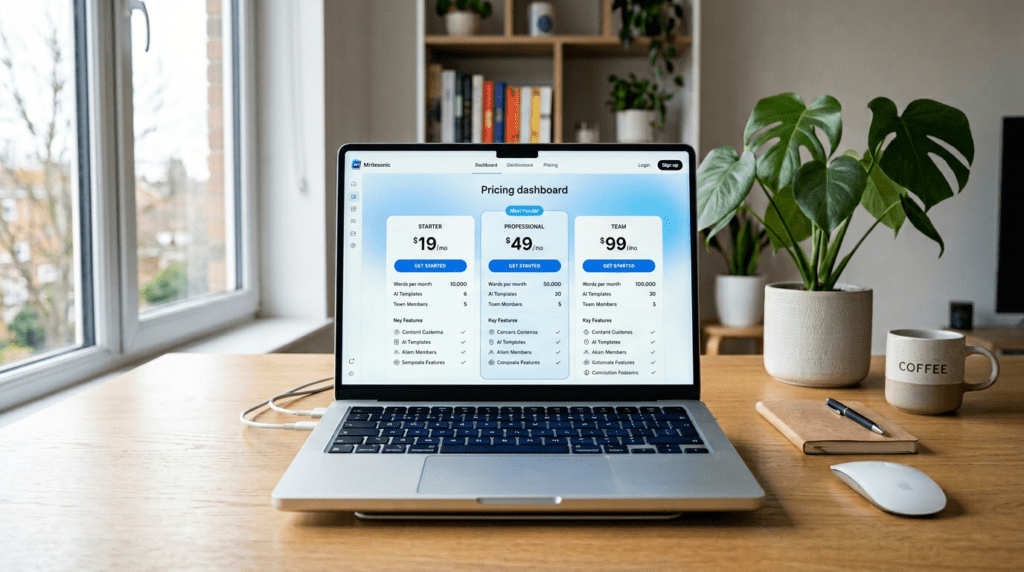
Choosing the right AI writing tool can feel like a high-stakes decision for any business owner or content creator. You want to boost productivity and content quality without overspending or, worse, investing in a platform that can’t keep up with your needs. Many find themselves sifting through complex pricing pages, trying to figure out which plan truly offers the best value for their specific workflow.
That’s where a clear understanding of Writesonic pricing comes in. This guide isn’t just about listing costs; it’s about breaking down the real-world value of each Writesonic plan. We’ll help you navigate the options, understand the trade-offs, and confidently select the plan that aligns perfectly with your content goals and budget.
Quick Verdict: Which Writesonic Plan Should You Choose?
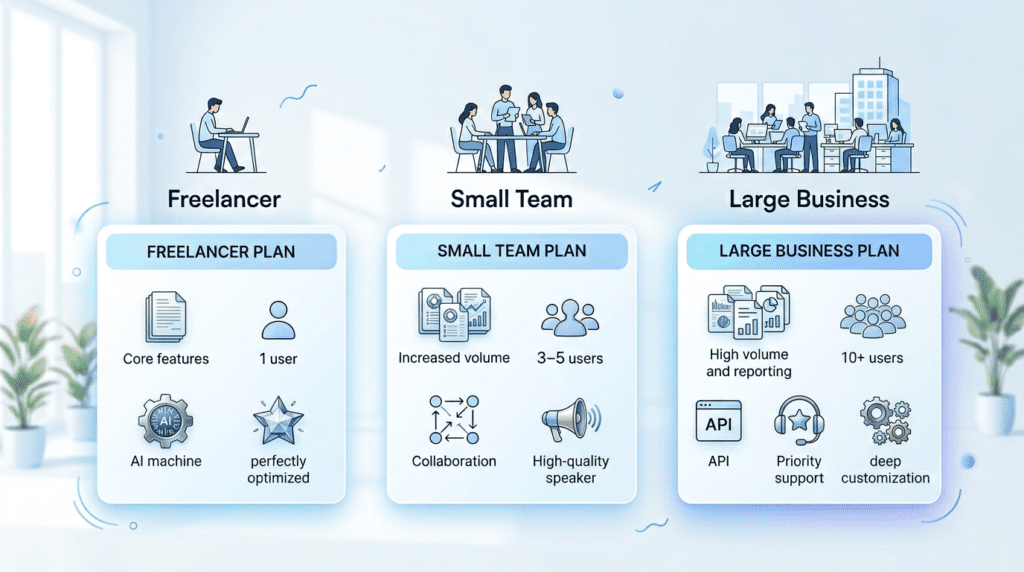
If you’re in a hurry and need a fast recommendation, here’s a high-level overview to help you quickly orient yourself. We’ll dive into the specifics shortly, but this table and the following insights should give you a solid starting point.
Complete Verdict Table
| Plan | Best For | Price Starts At | Key Limitation |
|---|---|---|---|
| Free Plan | Individuals testing Writesonic's core features. | $0/month | Very limited word count; no advanced features. |
| Small Team | Freelancers, bloggers, and small marketing teams. | ~$19/month | Limited users; may outgrow word limits quickly. |
| Enterprise | Large organizations needing custom solutions. | Custom | Higher cost; requires direct sales contact. |
Best For
- Freelancers & Bloggers: For individual content creators, solo entrepreneurs, and bloggers, the Small Team plan offers the best balance of features and affordability. It unlocks essential tools like Photosonic for image generation and Audiosonic for audio, alongside robust AI writing capabilities, without breaking the bank. It’s designed to help you scale your content production efficiently.
- Startups & Marketing Teams: If you’re running a startup or a small marketing team, the Small Team plan provides the necessary collaboration tools and a comprehensive feature set to scale your content production. It’s a smart choice for growing businesses that need to produce high-quality content consistently without a significant upfront investment in custom solutions.
- Large Businesses: The Enterprise plan is the only viable option for large organizations. These companies typically require custom AI models, advanced security protocols, dedicated account management, and specific API integrations that standard plans can’t offer. It’s built for complex, high-volume content operations.
Not Ideal For
- High-Volume Agencies: While the Small Team plan is great for many, high-volume agencies managing multiple clients and needing extensive content output might find its user and word limits too restrictive. Scaling quickly across many projects could lead to frequent upgrades or hitting ceilings that impact workflow.
- Users Needing Only a Paraphraser: If your primary need is simply to rephrase or rewrite existing text, investing in a full Writesonic plan might be overkill. There are dedicated, often cheaper, paraphrasing tools available that can handle this specific task more cost-effectively. You’d be paying for many features you don’t use.
Bottom Line
For most users, from solo creators to small marketing teams, the Small Team plan delivers the most value. It unlocks all the critical features like Photosonic, Audiosonic, and Brand Voice at a competitive price point, making it a powerful engine for content creation. The Free plan is excellent for a trial run to get a feel for the platform, while the Enterprise plan is reserved for large-scale operations with specific, complex business needs that go beyond standard offerings.
Understanding Writesonic’s Pricing Model: Words, Quality, and Users Explained
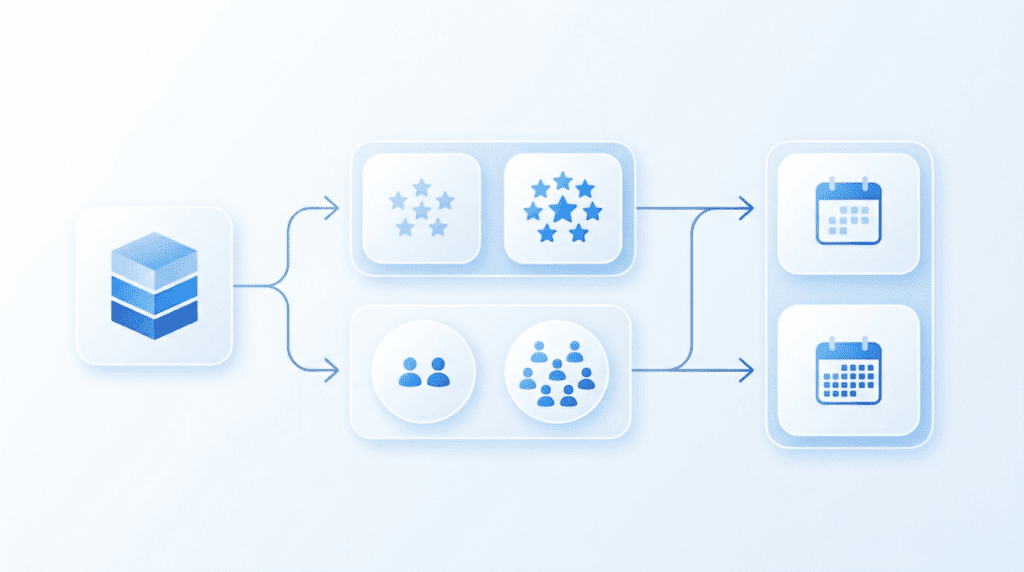
Writesonic’s pricing structure can seem a bit complex at first glance, moving beyond simple monthly fees. It’s built around a few core components that directly influence your final cost: the quality of the AI-generated words, the number of users on your account, and your billing cycle. Understanding these elements is key to finding the Writesonic Pricing plan that truly fits your needs.
How the Word Count System Works (Premium vs. Superior Quality)
Writesonic operates on a credit-based system, which translates directly into word counts. However, not all words are created equal in terms of cost. The platform offers two primary quality tiers for its AI output: Premium and Superior.
Premium quality words are generated using Writesonic’s standard AI models, often based on GPT-3.5 technology. These are generally faster to generate and consume fewer credits per word. They’re excellent for generating initial drafts, brainstorming ideas, or creating shorter pieces of content like social media posts, ad copy, or product descriptions where speed and volume are priorities.
Superior quality words, on the other hand, leverage more advanced AI models, including GPT-5.5. These words are designed to be more nuanced, contextually aware, and human-like, often requiring less editing. Generating Superior quality content consumes significantly more credits per word than Premium. For instance, 10,000 Premium words might equate to only 2,500–5,000 Superior words, depending on the specific plan and current rates. This distinction matters because if your primary need is for high-quality, long-form articles or detailed blog posts that demand a more sophisticated touch, you’ll burn through your word count much faster. It’s a trade-off: quantity and speed with Premium, or enhanced quality and reduced editing time with Superior. Most users find a blend works best, using Premium for initial ideas and Superior for refining key sections or generating final drafts.
The Impact of Adding Users to Your Plan
Most Writesonic plans include a set number of user seats, typically one or two for the Small Team plan. If you’re working solo, this isn’t a concern. However, for agencies, marketing teams, or businesses with multiple content creators, adding more users becomes a direct factor in your Writesonic Pricing. Each additional user seat usually comes with an extra monthly charge, which can range from approximately $10 to $20 per user, depending on your base plan and billing cycle.
The benefit of adding users is clear: it enables seamless collaboration. Team members can share projects, access generated content, and contribute to the same content pipeline without needing separate accounts or sharing login credentials, which is a security risk. This is particularly valuable for workflows where multiple people are involved in content creation, from writers and editors to SEO specialists and social media managers. However, it’s important to weigh the cost of additional seats against the actual need for simultaneous access. If team members work asynchronously or only a few need direct access, you might optimize by rotating access or having a single primary user.
Annual vs. Monthly Billing: How Much Can You Save?
Like many SaaS platforms, Writesonic offers a discount for committing to an annual subscription rather than paying month-to-month. Typically, opting for yearly billing can save you anywhere from 20% to 30% on your overall Writesonic Pricing. For example, a plan that costs $49/month might drop to around $39/month when billed annually, translating to a saving of over $100 per year.
This financial incentive makes annual billing an attractive option for businesses and individuals who are confident in their long-term use of Writesonic. It’s a straightforward way to reduce your operational costs if you’ve already determined that Writesonic is a valuable tool for your content strategy. However, the trade-off is commitment. If your needs are uncertain, you’re just starting out, or you prefer maximum flexibility to switch tools, monthly billing offers the freedom to cancel anytime without being locked into a year-long contract. For established businesses with predictable content demands, the annual discount often makes the most financial sense.
Does Writesonic Offer a Lifetime Deal?
As of now, Writesonic does not offer a lifetime deal for its services. While some newer or smaller SaaS tools might occasionally offer limited-time lifetime deals during their early growth phases, established and continuously developing AI platforms like Writesonic typically rely on a recurring subscription model. This model ensures a steady revenue stream that funds ongoing AI model improvements, server costs, feature development, and customer support. Users looking for a one-time payment option will find that Writesonic’s current pricing structure is exclusively subscription-based, with options for monthly or annual billing. It’s generally unrealistic to expect a lifetime deal for a sophisticated AI writing assistant that requires significant and continuous investment in technology and infrastructure.
Writesonic Plan Comparison: A Detailed Feature Breakdown
Moving beyond the core pricing mechanics, let’s dive into what each Writesonic plan actually delivers in terms of features and capabilities. This detailed breakdown will help you align the platform’s offerings with your specific content creation goals.
Writesonic Free Plan: Is It Enough to Get Started?
The Writesonic Free Plan serves as an excellent entry point for anyone curious about AI writing. It’s designed to give users a taste of the platform’s capabilities without any financial commitment.
Included Features and Tools
The Free Plan provides access to a selection of Writesonic’s core AI writing templates, allowing you to generate various types of content. This typically includes basic article writing, ad copy generation, product descriptions, and some social media content. You’ll also get limited access to Chatsonic, Writesonic’s AI chat assistant, which can be useful for quick queries or brainstorming. It’s a functional, albeit restricted, version of the full platform, showcasing the fundamental AI writing assistant features. However, it generally excludes premium features like Photosonic (AI image generator) and Audiosonic (AI audio generator), and advanced functionalities like Brand Voice.
Word Count and Usage Limitations
The most significant limitation of the Free Plan is its word count. Users typically receive a modest allocation, often around 10,000 Premium words per month. While this might sound like a lot, it can be consumed very quickly, especially if you’re experimenting with different outputs or generating longer pieces. For instance, a single 1,000-word blog post draft could use 10% of your monthly allowance. This limited word count means you can’t rely on the Free Plan for consistent, high-volume content production. There might also be restrictions on the number of projects you can create or the speed at which content is generated.
Who the Free Plan Is Genuinely Good For
The Free Plan is genuinely good for absolute beginners who want to explore what AI writing can do without any risk. It’s perfect for students working on small assignments, individuals looking to generate a few social media captions, or small business owners who need a single product description. It’s also ideal for anyone evaluating Writesonic against competitors, allowing them to test the interface and output quality before considering a paid subscription. If your content needs are minimal, sporadic, or purely for experimental purposes, the Free Plan offers enough functionality to get a feel for the platform. It’s not designed for serious content creators or businesses with ongoing content demands.
Writesonic Small Team Plan: The Best Value for Most Users?
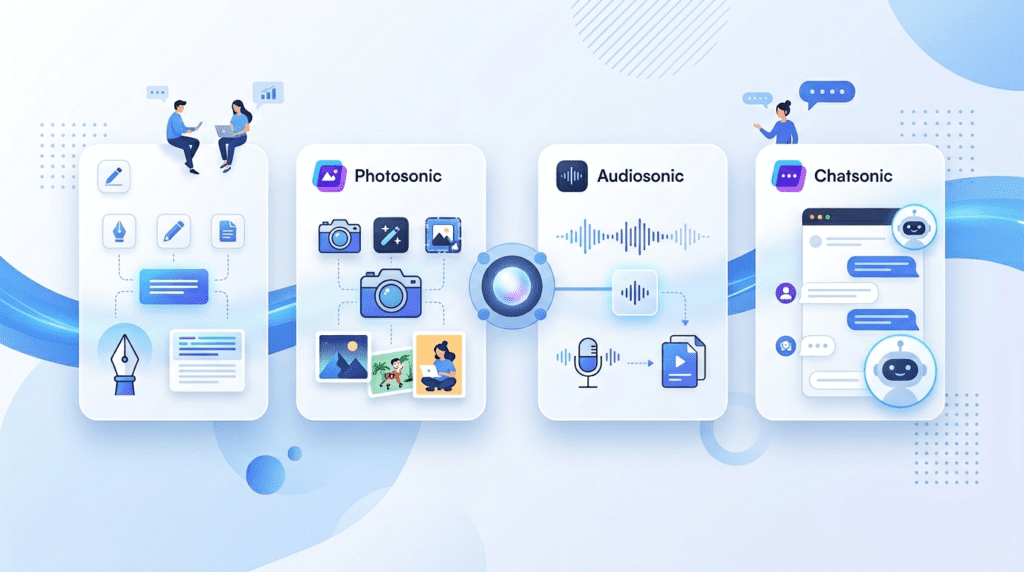
The Small Team plan is often highlighted as Writesonic’s sweet spot, balancing robust features with a manageable Writesonic Pricing structure. It’s engineered for individuals and small groups who need more than the Free Plan but aren’t yet at an enterprise scale.
Full Access to Photosonic, Audiosonic, and Chatsonic
A major upgrade with the Small Team plan is full access to Writesonic’s extended suite of AI tools. This includes Photosonic, the AI image generator, which allows you to create unique visuals for your content, social media, or website without needing separate stock photo subscriptions or graphic design skills. Audiosonic, the AI audio generator, can convert text into natural-sounding speech, useful for podcasts, video voiceovers, or accessibility features. Chatsonic, the AI chat assistant, becomes more powerful and integrated, acting as a versatile research and brainstorming partner. These tools transform Writesonic from just a text generator into a more comprehensive content creation hub, significantly enhancing its value for diverse content needs. For a blogger, this means generating a blog post, an accompanying image, and even a short audio summary all within one platform.
Understanding the User Seat and Word Limits
The Small Team plan typically starts with one user seat, with the option to add more for an additional cost (e.g., around $15-$20 per extra seat per month). This flexibility is crucial for small teams or agencies. Word limits on this plan are substantially higher than the Free Plan, often starting around 100,000 Premium words per month and scaling up with higher-tier Small Team subscriptions. These higher word counts are designed to support consistent content production, allowing for multiple blog posts, extensive ad campaigns, or a significant volume of social media updates. When considering Writesonic Pricing for this plan, it’s vital to estimate your monthly word needs, factoring in both Premium and Superior quality usage, to choose the appropriate word tier. For example, if you’re writing 8-10 long-form articles (1,500-2,000 words each) a month, plus shorter content, a 100,000-word plan might be a good starting point, but you’ll need to monitor your usage closely.
When to Choose This Plan Over the Free Version
You should choose the Small Team plan when your content needs move beyond occasional experimentation and become a regular part of your business or personal brand. This plan is ideal when you require consistent, high-quality content output, need access to advanced features like Photosonic and Audiosonic, or plan to collaborate with one or two other team members. It’s the go-to option for freelancers, bloggers, small marketing agencies, and startups who are ready to leverage AI for serious content scaling. If you find yourself constantly hitting the Free Plan’s word limits, needing more sophisticated AI models (GPT-4 via Superior quality), or wanting to integrate AI-generated images and audio into your workflow, upgrading to the Small Team plan becomes a practical necessity rather than a luxury. It represents a commitment to using AI as a core component of your content strategy.
Writesonic Enterprise Plan: When Does It Become Necessary?
The Enterprise plan is Writesonic’s most comprehensive offering, designed for large organizations with complex needs, stringent security requirements, and a demand for highly customized AI solutions. This plan moves beyond self-service, requiring direct engagement with Writesonic’s sales team for a custom quote.
Custom AI Model Training and Brand Voice
A standout feature of the Enterprise plan is the ability to train a custom AI model tailored to your specific brand voice, style guide, and industry terminology. This means the AI learns from your existing content, ensuring that all generated output aligns perfectly with your company’s established tone and messaging. For large corporations or agencies managing multiple client brands, this is invaluable for maintaining consistency and reducing the need for extensive post-generation editing. It transforms the AI from a generic content generator into a specialized brand assistant, capable of producing content that sounds authentically “yours” from the first draft. This level of customization is crucial for businesses where brand identity and messaging consistency are paramount.
Advanced Security, SSO, and Compliance
Enterprise-level security is a non-negotiable for large organizations. The Writesonic Enterprise plan offers advanced security features, including Single Sign-On (SSO) integration, which streamlines user authentication and enhances security by centralizing access control. It also provides robust data privacy measures and compliance with various industry standards (e.g., GDPR, SOC 2, HIPAA, if applicable). These features are critical for protecting sensitive company data, ensuring regulatory adherence, and managing user access across large teams. For companies in regulated industries or those with strict internal security policies, these capabilities are often the primary drivers for choosing an Enterprise solution.
Dedicated Account Management and Support
Unlike the self-service nature of smaller plans, the Enterprise plan comes with dedicated account management. This means you’ll have a specific point of contact at Writesonic who understands your business needs, helps with onboarding, provides strategic guidance, and ensures you’re maximizing the platform’s value. You also receive priority support, guaranteeing faster response times and more in-depth technical assistance. This white-glove service is essential for large deployments, complex integrations, and ensuring minimal disruption to critical business operations. It’s about having a partner, not just a vendor.
Who Should Contact Sales for an Enterprise Quote?
You should contact Writesonic’s sales team for an Enterprise quote if your organization: operates at a large scale with extensive content needs; requires custom AI model training to maintain a consistent brand voice; has strict security, compliance, or SSO requirements; needs dedicated technical support and account management; or requires custom integrations with existing internal systems. This plan is not for small businesses or individual creators, but rather for large corporations, global marketing agencies, or publishers with high-volume, specialized content demands where off-the-shelf solutions no longer suffice. The Enterprise Writesonic Pricing is custom, reflecting the bespoke nature of the services provided.
Hidden Costs and Long-Term Value: What Most Buyers Miss
When you’re evaluating AI writing tools, it’s easy to get caught up in the advertised monthly or annual fees. But savvy buyers know that the true cost of a platform like Writesonic often extends beyond the sticker price. Understanding these hidden costs and long-term value propositions is crucial for making an informed decision about your Writesonic pricing plan.
The Real Cost of Exceeding Your Word Count
One of the most common hidden costs with AI writing tools, including Writesonic, comes from exceeding your plan’s word count. Many users, especially beginners, underestimate how many words they’ll actually need. You might think 100,000 words sounds like a lot, but a few long-form articles, several blog posts, and a batch of product descriptions can quickly eat into that allowance.
When you hit your limit, Writesonic typically offers options to purchase additional credits or words, often at a higher per-word rate than what’s included in your base plan. This “pay-as-you-go” model can be a lifesaver in a pinch, but it can also lead to unexpected spikes in your monthly bill. For a small business owner or freelancer on a tight budget, these overage charges can be a frustrating surprise. It’s often more cost-effective to upgrade to the next tier of Writesonic pricing *before* you consistently hit your limit, rather than paying for individual top-ups. This is a key scaling limitation for growing content needs.
Renewal Pricing and Annual Commitment Trade-Offs
Like many SaaS platforms, Writesonic offers discounts for annual commitments compared to monthly billing. This can lead to significant savings over a year, making the annual Writesonic pricing look very attractive upfront. For example, a plan that costs $49/month might drop to around $39/month if you pay annually, saving you over $100 per year.
However, this comes with a trade-off: flexibility. If your content needs change drastically, or if you decide Writesonic isn’t the right fit after a few months, you’re locked into that annual commitment. While some platforms offer prorated refunds, it’s not always guaranteed. For established businesses with predictable content needs, the annual discount is a smart move. But if you’re just starting out, testing the waters, or your business model is still evolving, paying monthly might be worth the slightly higher cost for the added flexibility. Always consider your long-term commitment before choosing an annual Writesonic plan.
Is the “Superior” Word Quality Worth the Extra Cost?
Writesonic’s pricing model often differentiates between “Premium” and “Superior” word quality, with Superior words costing more credits or being available on higher-tier plans. This distinction usually relates to the underlying AI models being used – for instance, Premium might leverage GPT-3.5, while Superior taps into the more advanced GPT-4.
So, is the “Superior” quality worth the extra investment? For high-stakes content like client deliverables, critical marketing copy, or complex long-form articles where nuance and accuracy are paramount, the answer is often yes. GPT-4-powered content tends to be more coherent, contextually aware, and requires less editing. It can significantly reduce the time you spend refining drafts, which translates to real cost savings in labor.
However, for less critical content such as internal drafts, social media posts, or initial brainstorming, “Premium” quality words might be perfectly adequate. The trade-off is between the immediate cost of words and the time you’ll spend editing. Don’t fall for the misconception that “Superior” means perfect, but it often means a much better starting point, especially for demanding tasks.
Comparing Writesonic’s Value Against Key Competitors (e.g., Jasper, Copy.ai)
When evaluating Writesonic pricing, it’s natural to compare its value against other leading AI writing tools like Jasper or Copy.ai. Each platform has its strengths and ideal user base.
- Writesonic often shines for its comprehensive suite of tools beyond just writing, including Photosonic for AI image generation and Chatsonic for conversational AI. Its pricing can be more accessible for individual creators and small teams, especially with its generous free plan and competitive Small Team plan. It’s a strong contender for those who need a versatile AI assistant for various content types, from blog posts to ad copy, and appreciate the integrated image and chat features.
- Jasper (formerly Jasper.ai) is often seen as a more robust solution for long-form content generation and brand voice consistency, particularly for larger teams or agencies. Its Boss Mode and Business plans offer advanced features like custom templates, deeper integrations, and more sophisticated team collaboration. However, Jasper’s pricing typically starts at a higher point than Writesonic’s comparable plans, making it a bigger investment. If your primary need is high-volume, long-form content with strict brand guidelines, and you have the budget, Jasper might offer a more tailored experience.
- Copy.ai excels in short-form marketing copy, social media content, and sales enablement. Its interface is often praised for being intuitive, and it offers a wide array of templates specifically designed for marketing professionals. While it can generate longer content, its core strength lies in quick, impactful copy. Copy.ai’s pricing is competitive, often sitting between Writesonic and Jasper for similar word counts. If your focus is purely on marketing copy and you don’t need image generation or advanced chat features, Copy.ai could be a more focused and potentially more cost-effective choice.
Ultimately, the “best value” depends on your specific needs. Writesonic often provides a broader toolkit at a more approachable price point, making it excellent for general content creation and those who appreciate a multi-faceted AI assistant.
Which Writesonic Plan Fits Your Use Case?
Choosing the right Writesonic plan isn’t just about features; it’s about matching the tool to your workflow, budget, and content goals. Here’s a breakdown of which Writesonic pricing tier makes sense for different types of users.
For the Solo Blogger or Freelance Writer: Balancing cost with the need for high-quality article generation.
If you’re a solo blogger or freelance writer, your primary concerns are likely cost-effectiveness, access to quality content generation, and efficiency. The Small Team plan is usually your sweet spot. It unlocks the full suite of Writesonic’s features, including Photosonic and Chatsonic, which can be incredibly useful for generating blog post images or brainstorming ideas.
While the Free plan is great for testing, its word limits are too restrictive for consistent content production. The Small Team plan offers a generous word count that can cover several long-form articles or many shorter pieces per month. As a beginner, you might struggle initially with prompt engineering, but over time, you’ll get faster at generating exactly what you need, making the word count go further. The biggest limitation here is if your client work suddenly explodes, you might find yourself needing to upgrade sooner than expected.
For the Small Business Marketing Team: Leveraging collaboration features and brand voice for consistent content.
Small business marketing teams need to produce consistent, on-brand content across multiple channels. The Small Team plan is also an excellent fit here, especially if you opt for a higher word count tier. It allows for multiple user seats, meaning your team members can collaborate on projects, share content, and maintain a unified brand voice.
The Brand Voice feature, available on paid plans, is invaluable for ensuring all AI-generated content aligns with your company’s tone and style. This avoids the hidden frustration of having to heavily edit AI output to match your brand. Workflow implications are positive: team members can quickly generate drafts for social media, email campaigns, or website copy, then collaborate on refinements. The main scaling limitation would be if your team grows significantly or your content volume skyrockets, at which point you’d need to consider the Enterprise plan for more custom solutions and higher word limits.
For the SEO Agency Managing Multiple Clients: Assessing user seats and word volume for client work.
SEO agencies often manage content for numerous clients, requiring high word volumes, multiple user accounts, and potentially custom AI models for specific brand voices. For this use case, the Enterprise plan becomes necessary. While the Small Team plan might work for a very small agency with only a couple of clients, it quickly becomes a bottleneck due to word count and user seat limitations.
The Enterprise plan offers custom word limits, dedicated account management, and advanced security features crucial for client data. It also allows for custom AI model training, which means you can fine-tune Writesonic to generate content perfectly aligned with each client’s unique brand and industry. A common hidden frustration for agencies on lower-tier plans is constantly hitting word limits across different client projects, leading to unexpected costs or delays. The Enterprise plan mitigates this by providing a scalable solution tailored to your agency’s specific demands, including API access for integration into existing workflows.
For the Ecommerce Store Owner: Using Writesonic for product descriptions, ads, and social media content.
Ecommerce store owners need to generate a high volume of compelling product descriptions, engaging ad copy, and consistent social media content. The Small Team plan is highly recommended here. Writesonic offers specific templates for product descriptions, ad copy, and social media posts, making it incredibly efficient for this use case.
The ability to quickly generate multiple variations of product descriptions for A/B testing or different platforms (e.g., Amazon, Shopify) is a huge time-saver. What gets easier over time is the speed at which you can launch new products or marketing campaigns, as the AI handles the initial content generation. The main practical implication is a significant boost in content output without needing to hire additional copywriters. While the Free plan can give you a taste, the Small Team plan provides the necessary word count and features to truly scale your ecommerce content efforts.
Honest Take: Are There Better Alternatives for Your Budget?
While Writesonic offers compelling value, especially with its versatile toolkit and competitive Writesonic pricing, it’s important to acknowledge that no single tool is perfect for everyone. Sometimes, a different solution might align better with your specific budget or needs.
When a Simpler, Cheaper Tool Makes More Sense
If your content needs are very basic or highly specialized, a simpler, cheaper tool might be a smarter investment. For instance:
- Basic Rewriting/Paraphrasing: If your primary need is just to rephrase existing text or improve grammar, a dedicated paraphrasing tool or even a free online grammar checker might suffice. Paying for a full Writesonic plan for this single purpose would be an opportunity cost, as you’d be paying for many features you don’t use.
- Very Low Volume Content: If you only need to generate a few short pieces of content per month (e.g., occasional social media posts, one blog outline), the Writesonic Free plan might be enough, or a pay-as-you-go model from another provider could be more cost-effective than a recurring subscription.
- Highly Niche Content: For extremely technical or niche content that requires deep subject matter expertise, even the best AI tools might struggle to produce truly accurate or insightful output without heavy human editing. In these cases, investing in a human expert or a highly specialized, industry-specific AI tool (if one exists) could be better.
When a More Powerful (and Expensive) Platform Like Jasper is a Better Investment
Conversely, there are scenarios where a more powerful, and often more expensive, platform like Jasper could be a better long-term investment, despite the higher Writesonic pricing comparison:
- Extensive Long-Form Content: If your business model revolves around producing a high volume of very long, complex articles, e-books, or whitepapers, Jasper’s advanced long-form editor and “Boss Mode” features might offer a more streamlined and efficient workflow.
- Deep Brand Voice Integration: For large enterprises or agencies with extremely strict brand guidelines and a need for AI to consistently adhere to a very specific tone, Jasper’s more advanced brand voice training and custom template capabilities can be superior.
- Robust Integrations and Workflows: If you need seamless integration with a wide array of marketing tools, CRM systems, or project management platforms, Jasper often provides more extensive API access and pre-built integrations, which can be crucial for complex workflows.
The trade-off here is clear: you pay more for enhanced capabilities, deeper customization, and often, a more mature ecosystem for enterprise-level content production.
Final Gut Check: Is Writesonic the Right Tool for You?
Before making your final decision on Writesonic pricing, ask yourself these questions:
- What’s my primary content need? Is it versatile content generation (Writesonic), long-form specialization (Jasper), or short-form marketing copy (Copy.ai)?
- What’s my budget, and how predictable are my content needs? Can I commit to an annual plan for savings, or do I need monthly flexibility?
- How important are features beyond writing, like AI image generation or conversational AI? Writesonic’s Photosonic and Chatsonic can add significant value.
- How much time am I willing to spend editing AI output? Higher quality tiers or more powerful tools might reduce editing time, but at a higher cost.
- Do I need team collaboration features, and if so, how many users?
By honestly answering these questions, you can determine if Writesonic’s features and pricing structure align with your unique business goals and workflow.
Final Recommendation: How to Choose Your Writesonic Plan
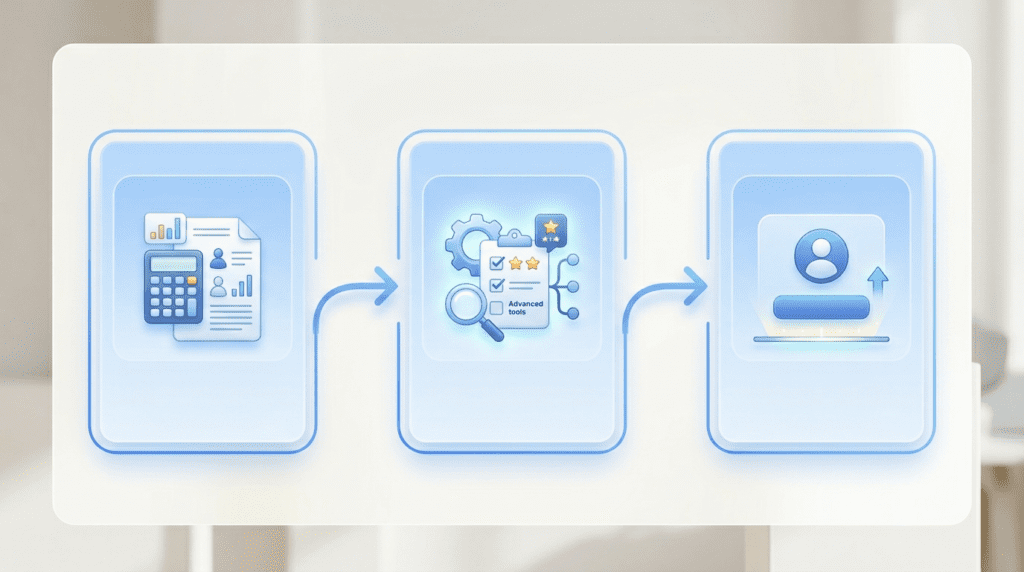
Making the right choice for your content needs involves a clear-eyed assessment of your operational requirements and budget. This framework distills our findings into actionable steps to guide your decision.
Step 1: Estimate Your Monthly Word Count Needs
As discussed in our analysis of exceeding word counts, accurately projecting your monthly output is paramount. Review your past content production or set realistic goals for the coming months. If you’re a solo blogger, your needs will differ vastly from an SEO agency. Don’t just consider article generation; factor in product descriptions, ad copy, and social media updates. This estimate will directly inform the tier of plan you require, preventing unexpected overage charges.
Step 2: Determine if You Need Advanced Features (Brand Voice, API)
Consider whether your content strategy demands features beyond basic generation. For small business marketing teams, the Brand Voice feature can be invaluable for maintaining consistency, while SEO agencies managing multiple clients might benefit significantly from API access for integration into existing workflows. If your primary goal is quick, one-off content pieces, these advanced functionalities may not be necessary, allowing you to opt for a more streamlined plan.
Step 3: Start with the Free Plan, Upgrade When You Hit a Limit
Writesonic’s free plan offers a generous opportunity to test the platform’s capabilities and assess the quality of its output for your specific use cases. This allows you to experience the interface, experiment with different content types, and gauge how well the AI aligns with your brand’s tone and style without financial commitment. Once you consistently find yourself hitting the free plan’s limits, you’ll have a much clearer understanding of which paid tier best suits your ongoing production volume and feature requirements.
Our Final Verdict on Writesonic’s Overall Value for Money in 2026
Writesonic stands out as a highly capable AI writing assistant, particularly for users prioritizing high-quality, nuanced content generation across a range of marketing assets. For the solo creator or small to medium-sized business that can fully leverage its advanced features like Brand Voice and its robust article writer, the investment offers compelling value. While not always the most budget-friendly option compared to simpler tools, its superior output quality and feature set often justify the cost for those committed to producing consistent, high-caliber content. It strikes an excellent balance between power and usability, making it a strong contender for anyone serious about scaling their content efforts efficiently.
Frequently Asked Questions (FAQ)
Can I upgrade or downgrade my Writesonic plan later?
Yes, Writesonic allows you to easily upgrade or downgrade your plan at any time directly from your account settings.
What happens if I go over my monthly word limit?
If you exceed your monthly word limit, Writesonic will prompt you to upgrade your plan or purchase additional words as an add-on to continue generating content.
Does Writesonic offer refunds?
Writesonic’s refund policy typically states that subscriptions are non-refundable, but they may offer exceptions under specific circumstances, so it’s best to contact their support directly.
Is the content generated by Writesonic truly plagiarism-free?
Writesonic aims to produce original content, and while it significantly reduces the risk of plagiarism compared to manual writing, it’s always recommended to use a plagiarism checker for critical content before publication.
How does Writesonic’s pricing compare to Jasper’s?
As detailed in our comparison section, Writesonic generally offers a more accessible entry point for similar word volumes, though Jasper’s higher tiers provide broader feature sets and more extensive integrations for enterprise-level needs.
Are there any hidden fees I should be aware of?
No, beyond the discussed implications of exceeding word counts and renewal pricing, Writesonic’s pricing is transparent, with no hidden fees for standard usage.